I am a cybersecurity passionate with about 3 years of working experience. I have worked as a developer: creating new software features and maintaining code; as security engineer where I have helped to detect and mitigate security incidents; and as a DevOps engineer managing and amtomatic infrastructure. Linux is my main operating system as well as I am capable to work from command line interface. Learn new things about cybersecurity is a hobby for me.
May 2023 - Present, Merida, Mexico
Knowing who is who starts with healthcare data integrity. Verato Universal Identity platform introduces the industry’s first hMDM, the next generation MDM for healthcare, enabling a single source of truth for patient, provider, member and consumer identity.
Oct 2023 - Present
May 2023 - Oct 2023
Amdocs is a multinational corporation which specializes in software and services for communications, media and financial services providers and digital enterprises.
August 2020 - September 2021, San Luis Potosi, Mexico
Creating and maintaining solutions for new Digital Government project.
January 2021 - September 2021
August 2020 - December 2020
Taylor-made tech solutions for your business’s requirements.
|
|
Information Technology EngineeringGPA: 9.2 out of 10Taken Courses
Extracurricular Activities
| |
|
|
2021-2022 Information SecurityTaken Courses
|

Basic Instagram copy built in Django. This was done a part of a course. Project was implemented in docker compose with dev and prod environments. Demo was uploaded to production environment on AWS and nginx server.

A Toga-based Hugo personal portfolio. Many improvements/customizations were made: dark mode, certifications/badges section, courses section with PDF reader, achievements slider and posts section loading content from my personal blog.

A Wordpress blog. There I post Writeups about cybersecurity boxes/rooms/vulnerable machines, hacking and other related topics.








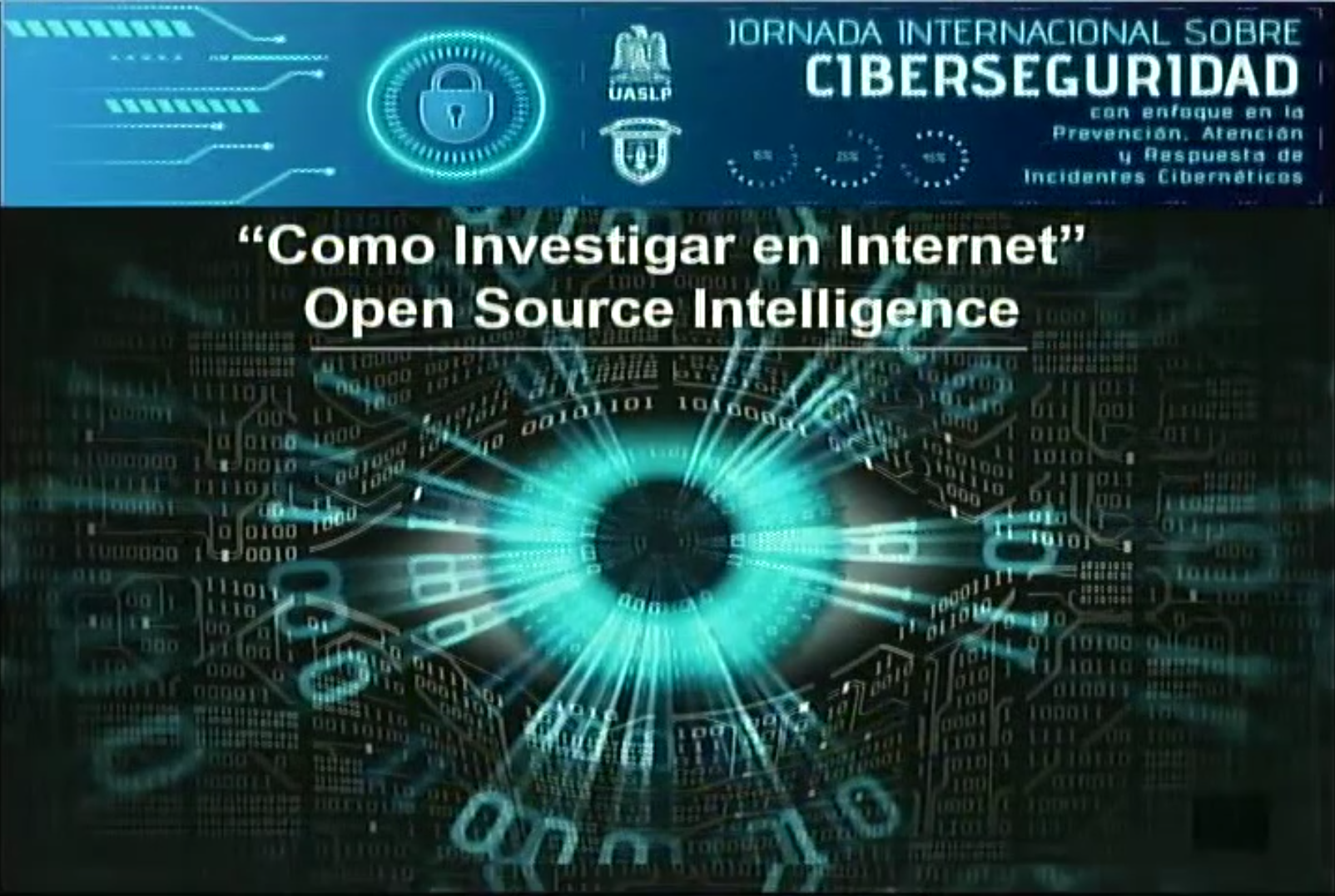
15 modules with the most relevant subjects in cybersecurity: principles of cryptography and steganography, Security and infrastructures, programming, forensic analysis, OSINT, BlueTeam, RedTeam…

Learn basic IT security concepts and best practices. Identify security threats and learn how to defend against them. Prepare for and pass the CompTIA Security+ (SY0-601) exam.

Prepare for the LPIC DevOps Tools Engineer Certification exam by learning about the philosophy of DevOps and commonly-used DevOps tools.
This course goes into the details of how Docker works in detail and how it can help you get the most out of the tool in professional development: Know Docker philosophy and apply Docker best practices.
Build simple LANs, perform basic configurations for routers and switches, and implement IPv4 and IPv6 addressing schemes. Configure and troubleshoot connectivity a small network using security best practices.
Develop overarching fundamentals for all programming languages. Practice your skills through hands-on labs and write your own programs.
Shows you how to install, configure, and use Autopsy to conduct a digital forensics investigation. Learn about hash sets, keyword searching, Android, timelines, and more. Includes hands-on labs.
Learn about the DevSecOps process and how to secure environments. This course also includes best practices.
Know the most used Linux distributions in servers. Manage packages according to distribution. Configure tools to monitor processes and services. Install web services and configure them for production environments.
Understand the DevOps philosophy. Master the levels and benefits of testing. Fit the CI into the development flow. Access CD benefits through Docker.
This course will provide you with the knowledge and hands-on experience that you will need in order to be a successful Kubernetes administrator in the real world and pass the CKA exam.
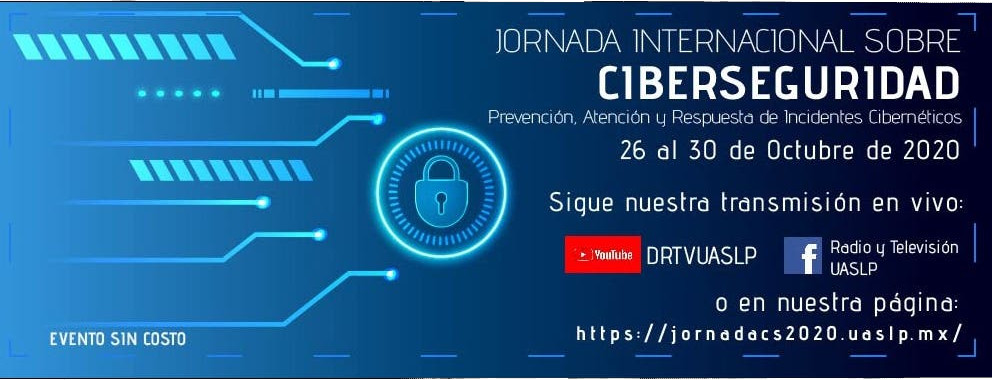
Introduction to Cybersecurity. Threats and Risks. Focus and Organization. Security measures. ISO/IEC 27032 and other related standards. Legislation and Regulations.

This course will help you understand what cloud security services and solutions should be available and how to apply them. This course cover the fundamentals of cloud computing and governance, risk, compliance, business continuity planning, and disaster recovery.